A Revolution Domesticated: Negotiating Family Life in Urban China, 1959-1984
My dissertation-based project focuses on family life in Shanghai from 1959 to 1984. Drawing on newfound collection of family letters, the book shows how the “revolutionary austerity” in the aftermath of the Great Leap Forward and the Cold War unexpectedly created the socio-political basis for China’s turn away from Communism.
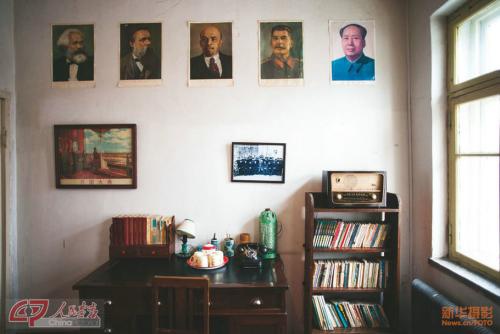
Monetary Revolution: War, Geopolitics, and the Birth of the Renminbi, 1937-1962
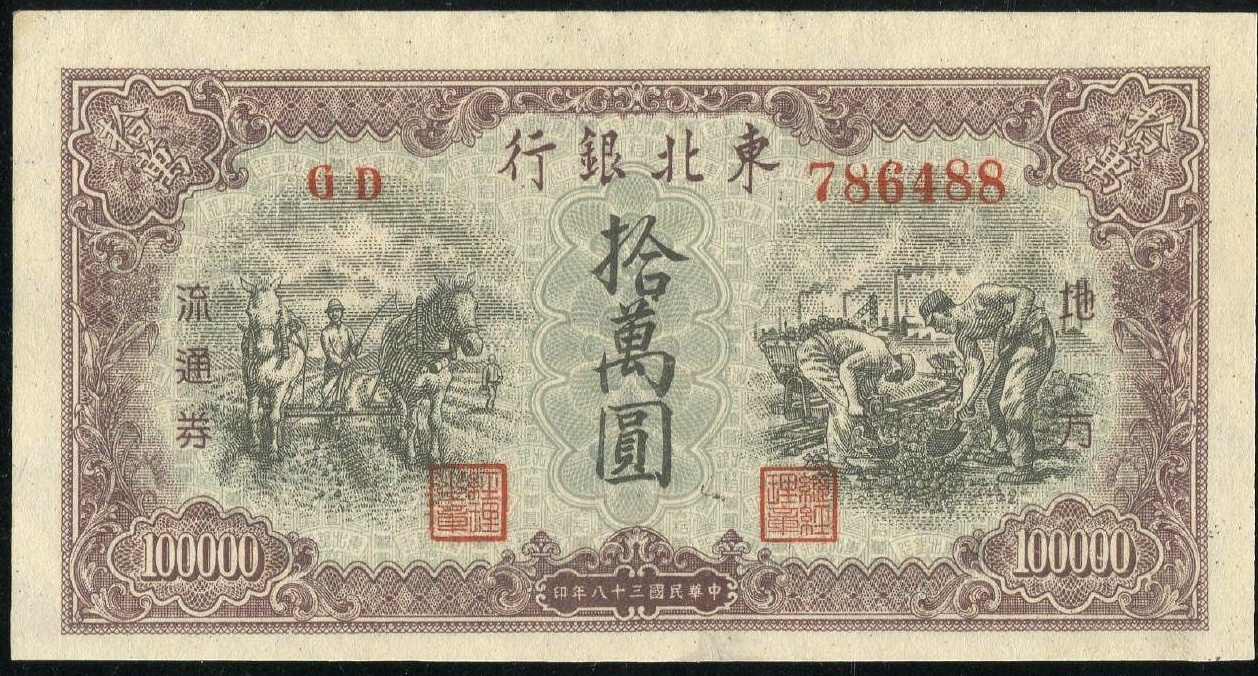
Monetary Revolution traces the origins and territorialization of the Reminbi as a fiat currency based on “material standard”, with its origins in Chinese economic thoughts and institutions rather than the Soviet model. Drawing on archives, newspapers, books, and other sources, book project shows that Communist monetary system rested on a series of innovations in response to the militarization of the Chinese economy in the 1940s and Cold War geopolitics in the 1950s. The book develops the arguments I set forth in Chapter 4 of Market in State: Political Economy of Domination in China on the roles of geopolitics and war in the making of contemporary Chinese economy.
Developmental Lessons: Inter-Asian Exchanges and China’s Economic Reform, 1972-2002
Developmental Lessons seeks to examine how economic ideas and practices, especially those from Japan and newly industrialised economies (NIEs) in Asia, shaped China’s economic reform and state transformations from the mid-1970s to the late 1990s. It focuses on China’s encounters and exchanges with the Asian developmental states through various channels, such as foreign advisors, international conferences, and study tours of Chinese personnel. By situating Asian and its internal dynamics within Pax Americana at the center, the project tries to show how China selectively adapted lessons of the NIEs without sacrificing its mobilization state features.
 Yanjie Huang | 黃彥傑